Quick answer. Yes, careful grooming is well documented. Archaeologists find antler combs, tweezers, and ear scoops across Viking-age towns, and Old Norse even named Saturday laugardagr, washing day. Norrdic Thoughts borrows that habit of careful, daily grooming, not the costume.
Six chapters from the old north.
Real sources, short chapters, and the part of the story we decided to keep. Tap through.
IIIIIIIVVVI
Norðr
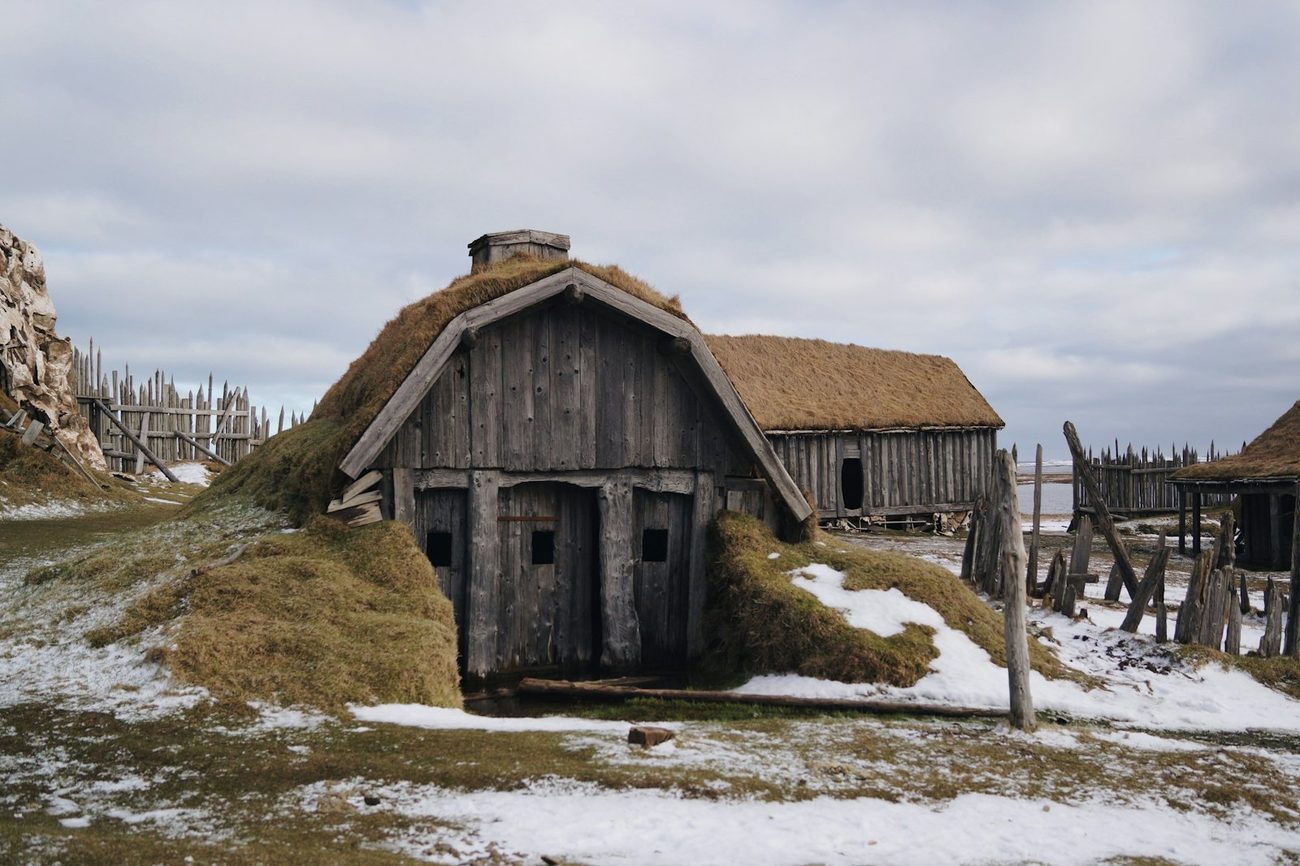
The word is older than the brand. In Old Norse, norðr means north, and the people who used it lived where winter set the schedule.
A culture that cold learns to do a few things carefully and to keep doing them. That habit is the part we kept.
Source: Old Norse norðr, "north"
The comb
Dig at Viking-age town sites and combs turn up often. Birka in Sweden, Hedeby in what is now northern Germany, York in England. Most are antler, many came with a carved case, and plenty were buried with their owners.
Tweezers and small ear scoops turn up in graves too. Grooming looks like part of the kit, not vanity. Some people were buried with theirs.
Source: Archaeological finds at Birka, Hedeby, and York
Saturday
In Old Norse, Saturday is laugardagr. It means washing day, and the name still sits inside the Scandinavian word for the weekday today.
A medieval English chronicler, John of Wallingford (the passage is attributed to him), complained that the Danes combed their hair every day, bathed every Saturday, and that English women were noticing. Treat it as what it is: a compliment from a hostile source.
Source: Old Norse laugardagr; medieval chronicle attributed to John of Wallingford
The oath
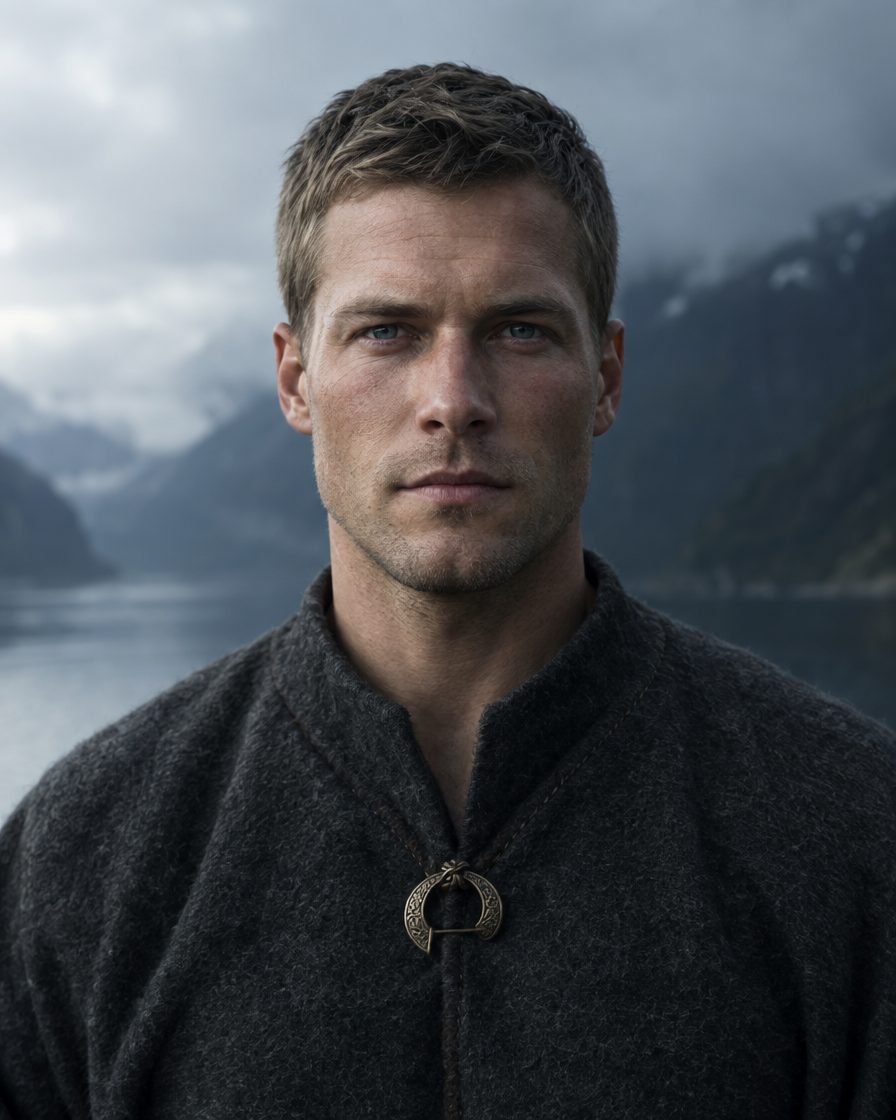
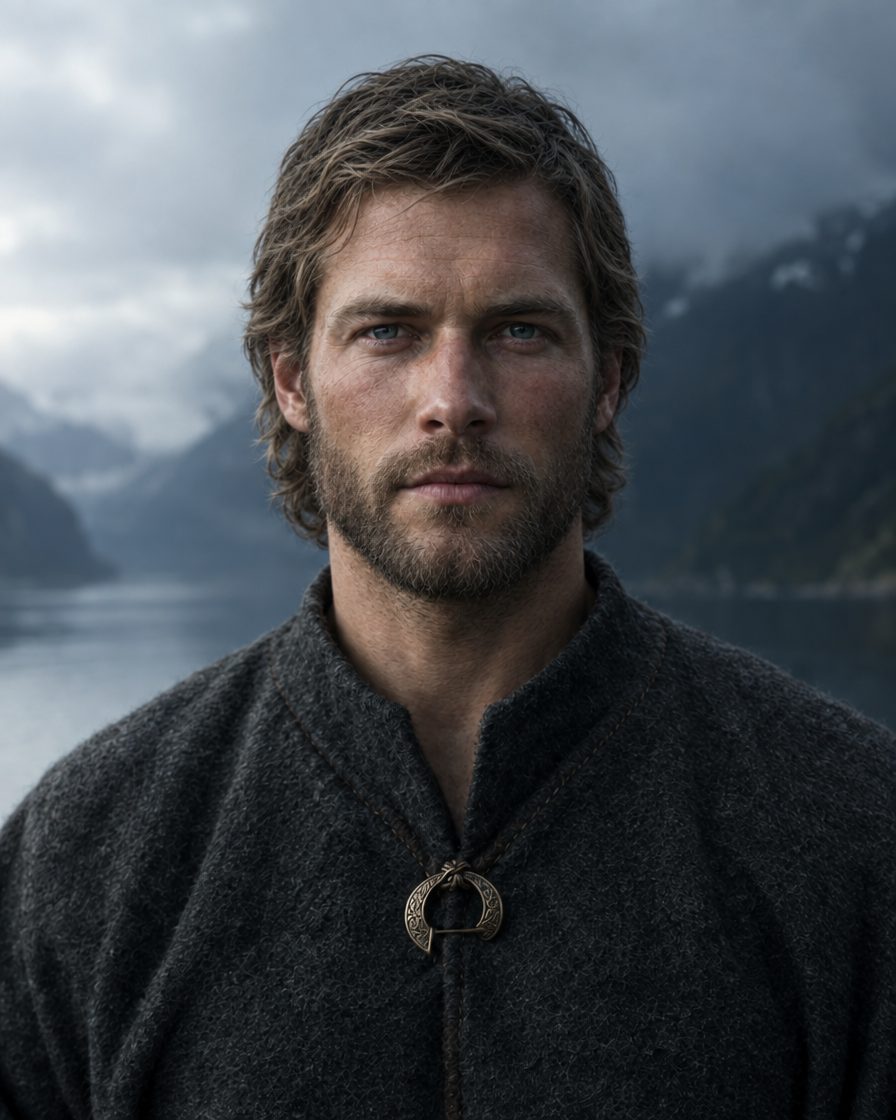
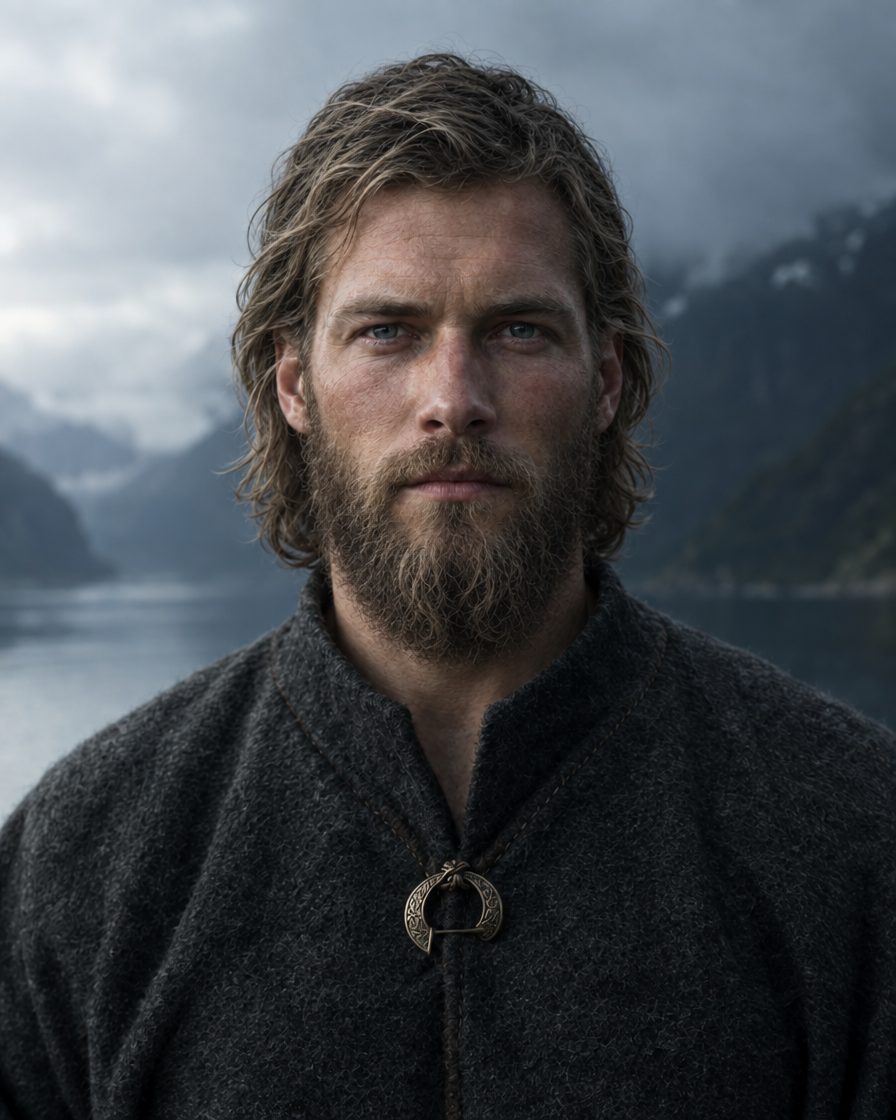
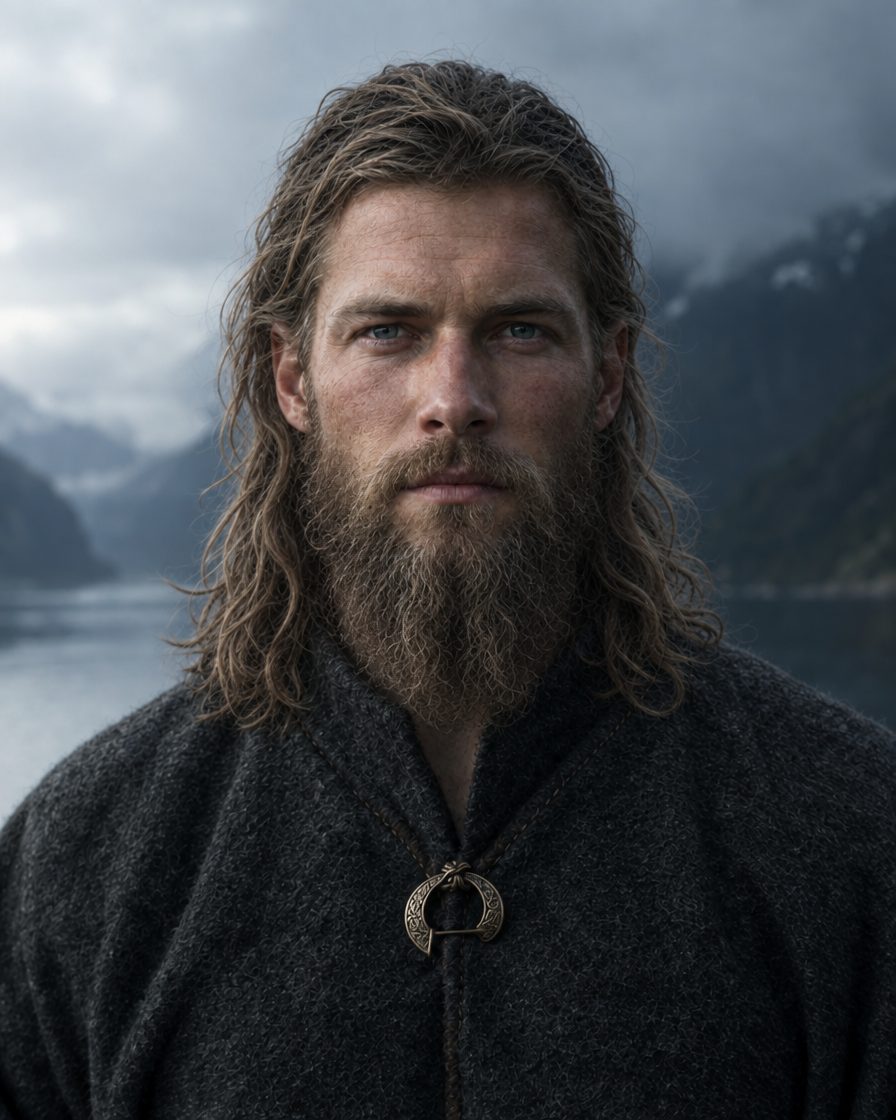
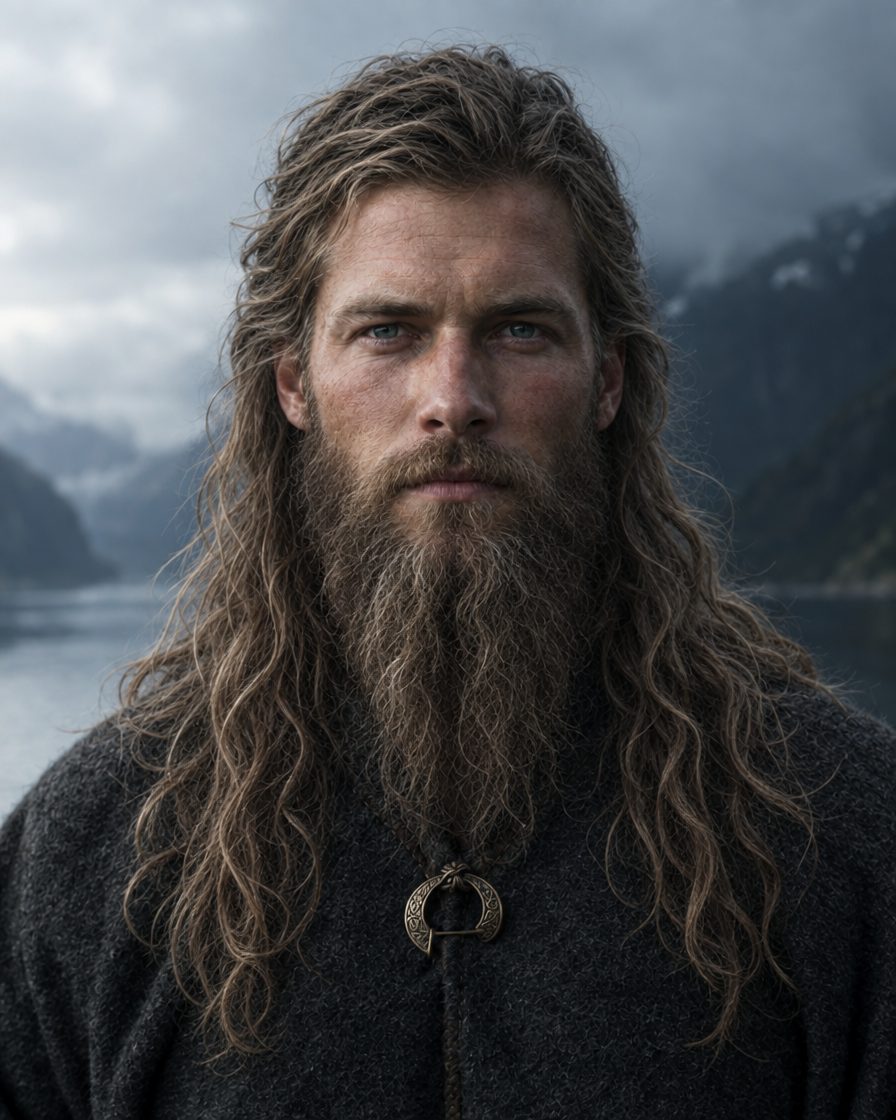
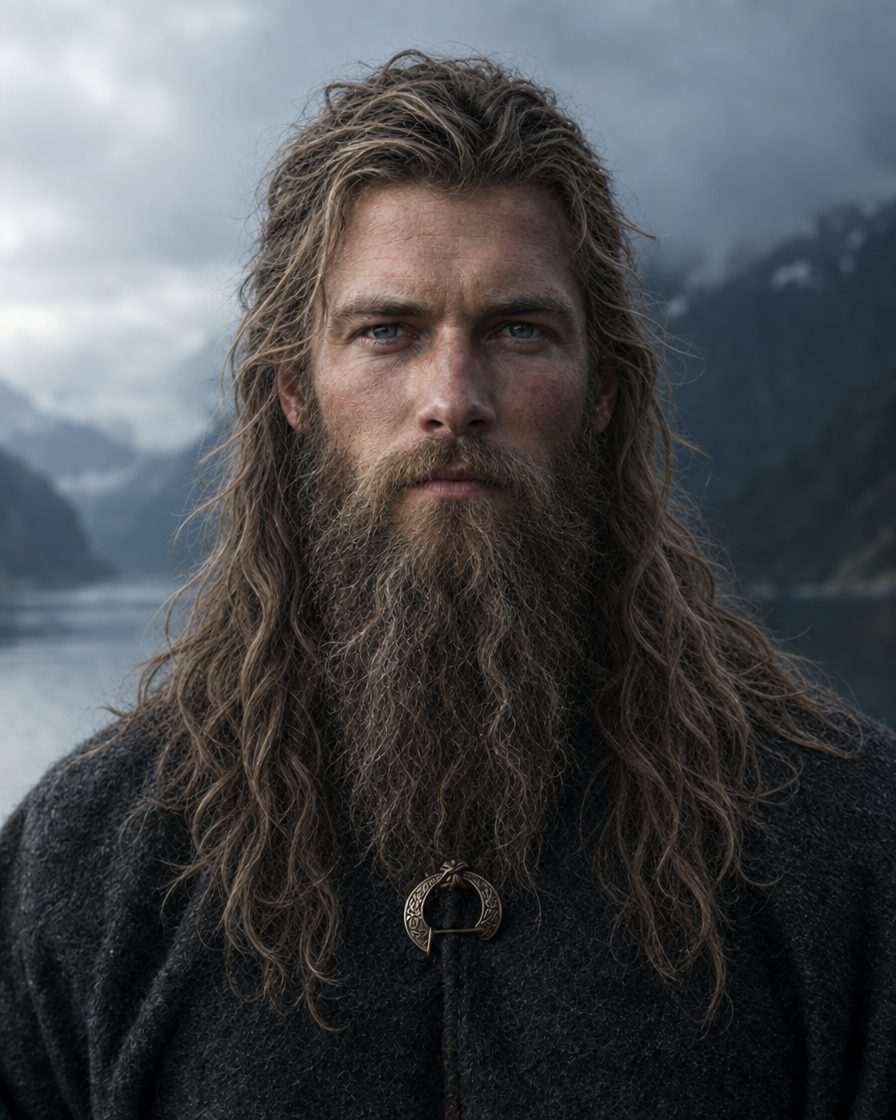
Snorri Sturluson tells of Harald, a young Norwegian king who vowed not to cut or comb his hair until he ruled all of Norway. As the saga has it, it took about ten years, and in the meantime they called him Shaggy.
When the job was done and the shears came out, the name changed to Fairhair. Legend, not a lab report. The point stands anyway: the long game was handled as a ritual, not a mood.
Source: Heimskringla, Snorri Sturluson, c. 1230
Named by the beard
The old poems keep naming their gods by what is on their faces. Odin turns up as Síðskegg, Long-Beard, and as Hárbarðr, Grey-Beard. Thor is the red-bearded one in later tradition.
And the real kings got it too. Sweyn of Denmark was Forkbeard, and the nickname is still in the history books a thousand years later.
Source: Grímnismál; Hárbarðsljóð; Sweyn Forkbeard (d. 1014)
What we kept
We are not selling a costume. No horned helmets, which archaeology has never turned up, and no war paint.
We took the part of the old north that holds up: a daily habit, done with care, with a short list of oils and nothing that needs explaining. That is the whole brand, and it fits in a bottle.
Source: Our position
Try the oath
Harald’s ten-year oath.
Keep scrolling. One year at a time, the long game gets longer. The story is a legend, so treat the timeline as one.
0of 10 years
Ten years, one oath. Portraits are illustrative.
FAQ
Questions, answered.
Did Vikings groom their beards?
Yes, grooming is well documented. Antler combs turn up at Viking-age sites such as Birka, Hedeby, and York, and tweezers and ear scoops are found in graves, which points to regular personal grooming of hair and, very likely, beards.
Did Vikings use beard oil?
We know of no surviving evidence of beard oil specifically. What the record shows is the habit: combs, tweezers, and a named washing day. Norrdic Thoughts borrows the habit of careful grooming, not a claim about an ancient product.
What does laugardagr mean?
Laugardagr is the Old Norse word for Saturday. It translates as washing day, and the name survives in the Scandinavian words for the weekday.
What does skegg mean in Old Norse?
Skegg is the Old Norse word for beard. It shows up in nicknames such as Síðskegg (Long-Beard) for Odin and in the Danish king Sweyn Forkbeard's name.
Who was Harald Fairhair and what was the hair oath?
In Norse tradition, Harald Fairhair was the king credited with uniting Norway. Snorri Sturluson's Heimskringla says he vowed not to cut or comb his hair until he ruled all of Norway, and that it took about ten years. It is a legend rather than a verified fact.
What is Heimskringla?
Heimskringla is a collection of sagas about the kings of Norway, written down by the Icelandic scholar Snorri Sturluson around 1230. It is a main source for the Harald Fairhair story and is a medieval telling, not an eyewitness record.
Did Vikings wear horned helmets?
No. Archaeology has not turned up horned Viking helmets. The image was popularized much later, by 19th-century costume and stage design.
What does norðr mean?
Norðr is Old Norse for north. It is the root of the word Norse and of the first half of the name Norrdic Thoughts.